Cuban Bakery Aurora CO: Bringing Community Together Through Food
@felixdzhf121
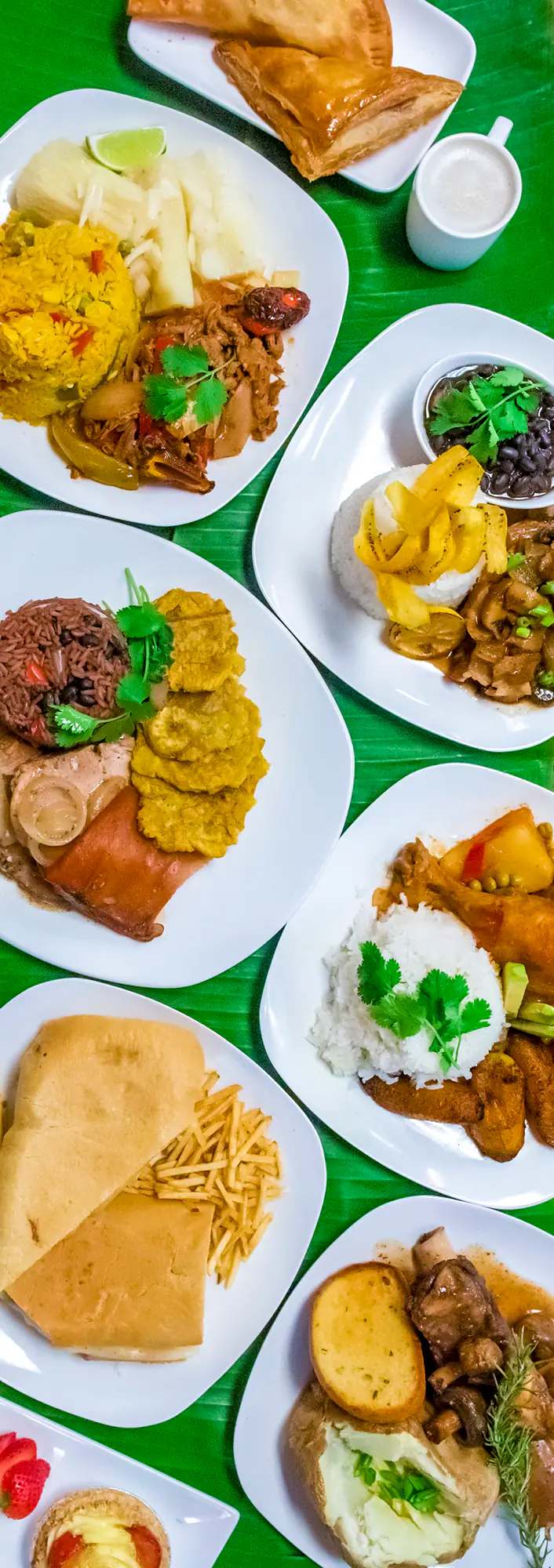
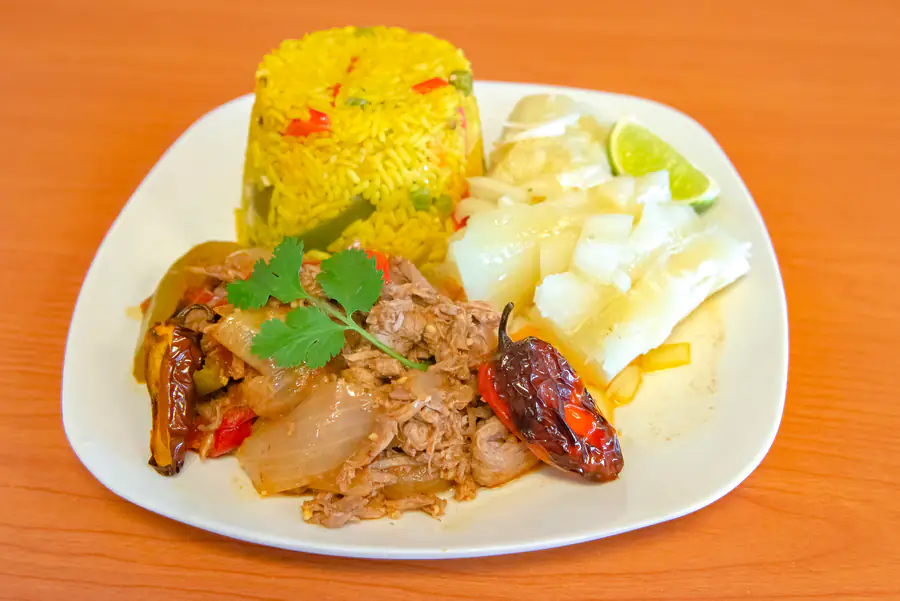
Walk into a good bakery early enough in the morning and you can tell what kind of place it is before anyone speaks. The air carries butter, toasted flour, sugar, and coffee. Trays clatter in the back. A regular steps in, nods toward the counter, and the person serving already knows the order. That rhythm matters. It turns a storefront into a neighborhood fixture.
That is especially true for a Cuban bakery in a city like Aurora, Colorado, where communities overlap in real and meaningful ways. Aurora is not a one-note place. It is a city of commuters, military families, longtime residents, recent arrivals, bilingual households, small business owners, students, retirees, and people carrying recipes from somewhere else. In a setting like that, a Cuban bakery Aurora CO residents can gather around becomes more than a place to pick up breakfast. It becomes a point of contact, a familiar table in a fast-moving city.
Food does that work quietly. It rarely announces itself as community building. It simply starts with a café con leche, a guava pastry, a loaf of https://cruzyxrj689.oakridgedigest.com/posts/what-locals-recommend-at-cuban-bakery-aurora-co Cuban bread still warm enough to fog the inside of its bag. Then it becomes conversation, routine, memory, and trust.
Why bakeries matter differently than restaurants
Restaurants often ask for an occasion. Bakeries fit into ordinary life. That distinction is not small.
A bakery can meet people where they already are. Someone stops in on the way to work for a croqueta and coffee. A parent brings home pastries on a Sunday morning. A family orders trays for a birthday, a church event, a graduation, or a condolence gathering. Neighbors who might never book a formal dinner still visit a bakery three times a week. That frequency changes the relationship.
In my experience, the businesses that become anchors in diverse neighborhoods are not always the flashiest ones. They are the dependable ones. They open on time. They remember names. They price the everyday items realistically enough that a customer can come back without turning a simple breakfast into a budget decision. A Cuban bakery has a built-in advantage here because Cuban baking traditions sit comfortably at the intersection of everyday necessity and celebration. Bread matters. Coffee matters. Sandwiches matter. Pastries matter. You can build a routine around all of it.
That routine creates a different kind of loyalty. Not trend-driven loyalty, the kind that spikes for a month when a place goes viral. The deeper sort, earned through repetition and consistency.
The emotional pull of Cuban baking
Cuban baking carries a distinct emotional weight for many people because it is both specific and widely welcoming. The flavors are recognizable even if someone did not grow up with them. Sweet guava, cream cheese, puff pastry, espresso, roast pork, ham, Swiss cheese, flaky dough, sugar dusting, soft bread with a delicate crust, all of that is accessible. At the same time, the details matter enough to signal authenticity to people who know the tradition well.
That balancing act is harder than it looks.
If you have ever watched a bakery serve a multigenerational crowd, you know how exacting customers can be. One person wants the café Cubano pulled strong, sweet, and properly concentrated. Another wants the pastelito to have the right ratio of filling to pastry, not too sparse and not so overloaded that it turns gummy. Someone else judges the bread by the sound it makes when squeezed lightly through the bag. None of those preferences are trivial. They are forms of memory.
For Cuban families and for others across Latin American communities, bakery foods often travel with migration. Recipes adapt to new ingredients, elevations, ovens, labor costs, and customer expectations, but they still carry a sense of home. In Aurora, where many residents maintain strong ties to another city or another country, that emotional continuity has real value. A Cuban bakery can offer something rare, a space where nostalgia and daily practicality meet.
Aurora is the right kind of city for this
Aurora’s food culture has always been shaped by movement. People come for work, for family, for opportunity, for military service, for a lower cost of living than some neighboring areas, and for access to a metropolitan region without having to live in its most expensive ZIP codes. Over time, those currents produce a dining scene that rewards businesses with substance.
A Cuban bakery in Aurora does not have to serve only one audience to be successful. In fact, it probably should not. The strongest neighborhood bakeries do two things at once. They protect what makes the food distinctive, and they make the experience easy to enter for someone trying it for the first time.
That might look like a display case with familiar standards alongside more regional items. It might mean bilingual service that feels natural rather than performative. It might mean offering breakfast combinations that are convenient for workers grabbing food before a shift, while also preparing larger orders for family gatherings later in the day. It could mean adjusting sweetness slightly for a broader customer base without flattening the character of the pastry. Those are not compromises in the negative sense. They are practical judgments that help a bakery become woven into its local context.
Aurora rewards that kind of judgment. It is a city where authenticity matters, but so does approachability.
What people actually come back for
A bakery can attract someone once with curiosity. It keeps them through repetition. Usually, a few core items do the heavy lifting.
Cuban bread often sits at the center of the relationship. Good bread is not just an accompaniment. It determines the quality of sandwiches, the dignity of a quick lunch, and the difference between a meal that feels satisfying and one that feels forgettable. Bread needs the right crust, enough structure to hold fillings, and a soft interior that does not collapse. In Colorado, altitude and dryness add a layer of difficulty. Dough behaves differently here than it does in Miami or Tampa. Bakers have to adjust hydration, proofing times, and oven habits. Customers may never see that labor, but they taste it.
Coffee is the other pillar. There are few products that communicate seriousness faster than coffee done right. Cuban coffee service is quick, aromatic, and social by nature. People linger over it, but it also fits the pace of a working morning. A local Cuban bakery Aurora CO visitors discover for the first time often wins them over with coffee before anything else. One good cup can lower barriers. The person who came in uncertain leaves with a new standard.
Pastries play a different role. They are the invitation. A guava pastry in a glass case can stop somebody mid-conversation. Flaky tops, sticky fruit filling, powdered sugar on the paper, these are visual cues that work across cultures. They say, take one home. Bring a box to the office. Pick up half a dozen because someone will want another later.
Savory items matter just as much. Croquetas, empanadas, sandwiches pressed hot and cut cleanly, these items make a bakery useful beyond the morning rush. They turn it into an all-day option.
The bakery counter as a social space
There is a reason neighborhood bakeries often know more about a community than larger businesses do. The counter hears everything.
It hears who just moved into the area. Who is planning a baby shower. Who lost a relative and needs food for visitors. Which school is hosting an event. Which church needs pastries after service. Who is recovering from surgery and cannot cook. Who just got a promotion. Who still orders the same thing every Friday because that is what their father used to bring home.
Those details are not gossip when handled with care. They are the threads of local life. The staff at a bakery sees patterns because customers return often and in small, human moments. That gives the business a unique civic role. It can support fundraisers, cater community events, donate day-old items responsibly, and create a place where regulars feel recognized. Not every business wants that role, and not every business can sustain it. A bakery often can, because its products naturally fit so many everyday occasions.
I have seen this dynamic in many neighborhoods over the years. The places that become beloved are rarely chasing perfection in a polished, corporate sense. They are aiming for warmth, consistency, and competence. If a customer feels welcome, and the food is genuinely good, they forgive the occasional line out the door or the fact that a favorite item sells out by noon. In a strange way, sellouts can reinforce trust when they result from fresh production rather than poor planning. People would rather miss out on a batch than buy something that has sat too long.
Authenticity is not a slogan
The word authenticity gets thrown around so loosely that it often loses meaning. In food, it should refer less to marketing and more to disciplined decision-making.
For a Cuban bakery, authenticity may show up in bread texture, coffee preparation, pastry laminations, seasoning balance, and the way classic items are assembled without unnecessary reinvention. It can also show up in what the bakery refuses to do. Every customer request does not need to become a menu item. Every trend does not need to be followed. Hot honey, rainbow frosting, oversized novelty pastries, these may work elsewhere, but a bakery earns its identity by knowing what belongs and what does not.
At the same time, rigid purism can be a mistake. A bakery operating in Aurora is not baking in a vacuum. Ingredients vary. Customer tastes vary. Weather matters. Labor realities matter. The best operators understand the difference between protecting a tradition and freezing it in place. A slightly different proofing schedule is adaptation. Using lower-quality fats because customers might not notice is erosion. There is a line, and experienced bakers know it.
Customers know it too, even if they cannot always explain why one pastry keeps calling them back and another tastes flat. Technique leaves a fingerprint.
The economics behind the warmth
People often romanticize bakeries, but they are demanding businesses. Margins can be tight. Labor starts early. Waste has to be managed carefully. Quality ingredients cost more, especially butter, meat, cheese, coffee, and fruit fillings. Equipment maintenance is not optional. Rent and utilities in growing areas can pressure even popular shops.
That is part of why community support matters. When residents choose a local Cuban bakery for breakfast trays, holiday orders, office meetings, and weekend treats, they are not just buying pastries. They are helping stabilize a labor-intensive craft business that returns value to the neighborhood in ways larger chains often do not.
The practical strengths of a bakery business usually include:
- Frequent repeat visits from local customers
- A mix of low-ticket impulse buys and larger catering orders
- Products that fit breakfast, lunch, and celebrations
- Strong word-of-mouth potential across families and workplaces
- A visible production process that builds trust
Those advantages are real, but they come with equally real pressures. Consistency has to hold when the morning rush hits. Staffing has to be reliable before dawn. A bakery cannot hide behind branding for long. If the bread slips, people notice immediately.
Food as a bridge across generations
One of the most underrated things a bakery does is create common ground between age groups. Grandparents come for the flavors they remember. Parents come because the food is practical and shareable. Children come because pastries are irresistible and bakery outings feel special even when they are inexpensive.
That matters for cultural continuity. In many families, recipes are not preserved through formal instruction. They are preserved through repetition. A child learns what Cuban bread should feel like by handling it. Learns what guava smells like when it hits warm pastry. Learns how coffee service shapes conversation, even if they are drinking milk or juice instead. Those impressions accumulate.
For families outside the Cuban tradition, the same bakery can become a gateway rather than a barrier. The first visit might be purely curious. The second is intentional. By the third or fourth, people start knowing what to ask for. They bring friends. They order for birthdays. The unfamiliar becomes familiar through hospitality.
That process is how local food cultures grow. Not by replacing one tradition with another, but by letting people participate in each other’s routines.
What customers should look for in a Cuban bakery
If someone is searching for a Cuban bakery Aurora CO has to offer, a few signs usually separate a true neighborhood staple from a place that is merely themed.
Listen first. Is the room animated in a natural way, with regulars ordering confidently and staff moving with purpose? Observe the case. Do the pastries look fresh, not tired under the lights? Notice whether the bread turnover seems active. Ask a simple question and see how the answer comes back. Good shops are usually proud to guide new customers without making them feel out of place.
Then pay attention to the small details that reveal care:
- Bread that feels light yet structured
- Pastries with distinct layers, not greasy collapse
- Coffee that tastes focused and fresh
- Savory items held at the right texture, not drying out
- Service that is brisk without feeling cold
Those details tell you more than a clever logo ever could.
Community is built through repetition
It is easy to talk about community in abstract terms. It is harder, and more honest, to talk about how community is built in practice. Usually it is built through small repeated acts. The same woman picking up bread every Thursday. The construction crew stopping in before work. The church volunteer ordering pastries for an event. The teenager learning what to bring home when relatives visit. The office manager who knows that a box from the local bakery gets people to show up on time for a morning meeting.
A bakery participates in all of that without demanding the spotlight. It serves the rhythms already there and, over time, becomes part of them.
For Aurora, that kind of business has particular significance. The city has grown, changed, diversified, and stretched. In places that grow quickly, people often search for institutions that make the area feel personal rather than anonymous. Schools do some of that work. Parks do some of it. Libraries do too. So do small food businesses that offer regular contact and recognizable care.
A Cuban bakery can fill that role exceptionally well because its products are social by nature. Few people buy one pastry and keep the experience entirely to themselves. They bring extras home. They introduce coworkers to a new favorite sandwich. They show visiting relatives where to stop for coffee. Food travels through relationships.
The lasting value of a neighborhood bakery
A strong bakery leaves a mark out of proportion to its square footage. It shapes how a block feels. It gives people a reason to walk in, linger, greet one another, and return. It preserves technique while participating in change. It makes a city more itself.
That is what makes the idea of a Cuban bakery in Aurora more than a niche food story. It is a story about belonging. About the way flavor can carry memory and still welcome strangers. About the practical, daily work of making a place feel inhabited by people rather than just occupied by them.
When a Cuban bakery Aurora CO residents trust does its job well, it feeds far more than appetite. It supports routine, celebration, mourning, nostalgia, curiosity, and connection. One cup of coffee, one loaf of bread, one warm pastry at a time, it helps turn a diverse city into a more familiar one.
Cuba Bakery & Café
15028 E Mississippi Ave, Aurora, CO 80012
+1 303-752-2822
FAQ About Cuban bakery Aurora CO
What are Cuban pastries called?
Many small Cuban pastries are called pastelitos. They can have sweet or savory fillings, such as guava, cheese, guava and cheese, or seasoned meat. Cuba Bakery & Café lists guava, cheese, guava-and-cheese and beef pastries on its menu. Ask the bakery about current availability and ingredients when ordering.
What are traditional Cuban pastries?
Common Cuban bakery choices include flaky pastelitos filled with guava, cheese or meat. Cuban bakeries may also offer empanadas, breads and desserts alongside coffee. Cuba Bakery & Café lists pastelitos, several empanada fillings, pan Cubano and desserts such as tres leches and bread pudding. Selection can vary, so confirm the day's choices with the bakery.
What makes Cuban bread different?
Cuban bread is known for its light interior and a thin crust that becomes crisp when toasted or pressed. Traditional recipes often use lard, although ingredients vary by baker. It is commonly served as buttered toast or used for Cuban sandwiches. Cuba Bakery & Café lists pan Cubano and tostada on its menu; ask staff about the ingredients in their bread if you have dietary restrictions.