Pie Cafe Colorado Springs: A Fresh Take on Timeless Desserts
@felixdzhf121
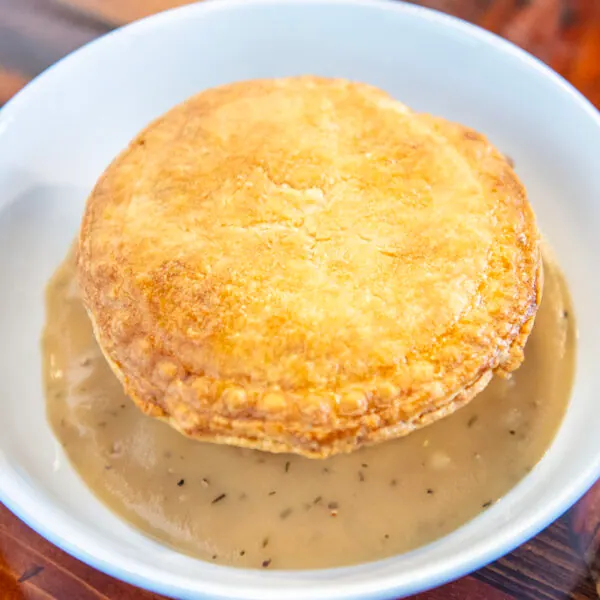
Colorado Springs has never been short on scenery, but its food identity has become far more interesting in recent years. The city still carries its familiar strengths, casual hospitality, mountain views, and a preference for places that feel approachable rather than theatrical, yet its dining culture has matured. People want quality now, not just convenience. They want a memorable cup of coffee, a lunch that feels intentional, and dessert that tastes like someone actually cared when they made it. That is exactly where the idea of a pie cafe Colorado Springs fits so well.
Pie has always occupied a curious place in American food culture. It is nostalgic without being old-fashioned, comforting without being dull, and flexible enough to work at breakfast, lunch, dessert, or a late afternoon coffee break. A good pie cafe takes that versatility seriously. It does not treat pie as an afterthought tucked beside a cash register. It builds an experience around craftsmanship, seasonality, and the kind of warmth that makes people stay for another cup of coffee.
That matters in a city like Colorado Springs. Locals tend to appreciate places that feel grounded. Tourists might arrive looking for postcard views, but residents return to businesses that earn trust through consistency. If a pie cafe is going to thrive here, it has to offer more than sugar. It has to balance comfort with quality, tradition with freshness, and indulgence with restraint.
Why pie still works, even in a trend-driven food scene
Dessert trends come and go with astonishing speed. One year it is towering milkshakes, then artisanal doughnuts, then globally inspired pastries with laminated dough and sculptural presentation. Pie, somehow, never leaves. It may step in and out of the spotlight, but it does not disappear. There is a practical reason for that. Pie appeals to both memory and appetite in a way few desserts manage.
A slice of pie can be simple enough for someone who just wants apple and cinnamon on a cold day. It can also be sophisticated enough for someone who notices whether the crust stayed flaky under a fruit filling or whether the salt level in a caramel chess pie was judged correctly. That range is valuable. It gives a pie cafe room to serve multiple audiences without losing its identity.
In Colorado Springs, where family outings, weekend drives, and neighborhood routines all shape dining habits, pie feels especially at home. It suits celebrations, but it also suits ordinary Tuesdays. One of the strongest advantages of a pie-centered cafe is that it can become part of people’s regular rhythm. A bakery that relies too heavily on novelty often has to keep chasing attention. A pie cafe can build something steadier. It can become the place where someone stops after a hike, where coworkers meet for coffee, or where grandparents bring visiting family because the menu feels familiar but never stale.
That sort of staying power usually comes from disciplined baking, not sentiment alone. Pie is less forgiving than it looks. A crust that is mixed too long toughens. A fruit filling that is not properly thickened bleeds across the plate. Custard pies need precise heat control. Cream pies demand freshness and careful timing. Anyone who has spent time in a professional kitchen knows that pie is humble only from the customer’s side of the counter.
The Colorado Springs factor
A pie cafe in this city has to think about more than flavor. Colorado Springs sits at elevation, and altitude changes baking. Liquids evaporate more quickly. Doughs behave differently. Fillings can concentrate faster. Meringues and custards can become temperamental. Plenty of bakers moving in from lower elevations learn this the hard way. A recipe that worked beautifully elsewhere can turn stubborn in a mountain kitchen.
That challenge, though, often becomes an advantage when handled by experienced hands. Bakers who understand high-altitude adjustments tend to produce desserts with more precision because they have to. They monitor hydration more carefully. They test bake times obsessively. They pay close attention to how fruit releases moisture and how butter behaves in colder or drier air. The result can be exceptional.
Colorado Springs also has a customer base that responds well to seasonality. The strongest food businesses here tend to align themselves with the calendar rather than forcing the same offerings all year. Pie lends itself naturally to that approach. Summer can carry berry pies, peach pies, and lighter cream fillings. Fall practically belongs to apple, pear, and pumpkin. Winter is ideal for chocolate, pecan, and deeper spice profiles. Spring opens the door to rhubarb, lemon, and early stone fruit when available.
That seasonal rhythm gives a pie cafe freshness without needing gimmicks. Customers do not need a stunt dessert every week if the menu evolves with intention. In fact, many people prefer a place that knows when to leave things alone. A well-made cherry pie in July does not need reinvention. It needs ripe fruit, a balanced filling, and a crust that shatters slightly under a fork.
What separates a memorable pie cafe from a forgettable one
Not every cafe built around sweets has staying power. The places that last usually get the fundamentals right, and with pie, the fundamentals are exacting. Crust comes first. It should taste of butter or shortening, depending on the style, but never grease. It should support the filling without turning leathery. It should have some structure at the edges and some tenderness where the filling meets the base. Good crust leaves evidence on the plate in the form of flakes, not a heavy rind that customers politely abandon.
Then there is filling. Fruit pies should taste of fruit before sugar. That sounds obvious, yet too many bakeries rely on sweetness to compensate for weak produce or poor balance. A strong baker will adjust sweetness by batch because fruit changes. Peaches vary. Strawberries vary. Apples vary not only by variety but by storage time. Pie is not a formula if the goal is excellence. It is a set of decisions made repeatedly.
Texture matters just as much. Cream pies should hold https://traviswtev143.zenbloomer.com/posts/pie-cafe-colorado-springs-sweet-and-savory-bites-worth-trying their shape but never feel gelatinous. Nut pies should avoid the syrupy heaviness that sits on the palate. Savory pies, if a cafe offers them, need to avoid the common trap of becoming dense and one-note. The best versions have contrast, flaky shell, well-seasoned filling, and enough acidity or herbs to cut richness.
Finally, service matters more than many dessert businesses admit. People judge sweets with their senses long before the first bite. A slice dropped carelessly onto a plate loses some of its appeal. Coffee served too hot masks the flavor of both drink and dessert. A display case that looks dry, cluttered, or poorly lit works against the product. The strongest pie cafes understand that hospitality is part of the recipe.
Pie and coffee, a pairing that deserves more respect
A pie cafe succeeds faster when it treats beverages with as much seriousness as pastries. Too often, dessert shops regard coffee as a necessary accessory, something hot to hold while eating sugar. That approach leaves a lot on the table. Pie and coffee can sharpen each other if the pairing is intentional.
A bright drip coffee can cut through a rich slice of pecan pie. A medium roast with chocolate notes can flatter a banana cream pie. Black tea can work beautifully with apple or berry fillings because it cleans the palate without competing for attention. Even milk choices matter. Someone drinking a cappuccino with a custard pie will experience the dessert differently than someone drinking plain brewed coffee.
This is one area where a pie cafe Colorado Springs could distinguish itself from ordinary bakeries. Colorado has no shortage of coffee drinkers, and local customers are increasingly aware of quality. If a pie cafe offers carefully brewed coffee, not just passable coffee, it broadens its appeal beyond dessert. It becomes a place for morning meetings, solo laptop sessions, and midday resets. That expands traffic naturally, without forcing the business to become something it is not.
I have seen this dynamic play out in cafes across mountain towns and mid-sized cities alike. The places that pair a focused pastry program with strong coffee build loyal weekday business. The places that ignore beverages often become occasional stops rather than habits. Habit is what sustains a cafe between holidays.
The emotional pull of familiar desserts
There is a practical business case for pie, but there is also an emotional one. Few desserts trigger memory as quickly. People approach pie with stories already attached to it. Someone remembers a grandmother’s lattice crust. Someone else remembers diner pie after high school football games. Another customer might associate coconut cream pie with one person, one kitchen, one holiday. When a cafe serves pie well, it is not simply selling dessert. It is entering a personal archive.
That can be mishandled if a business leans too hard on nostalgia as branding. Customers can sense when sentiment is being used as a shortcut for quality. The smarter approach is subtler. Let the pie evoke memory on its own, and then support that feeling with thoughtful details, a ceramic plate instead of disposable ware when possible, real whipped cream instead of aerosol topping, staff who can describe a pie accurately, and a room that invites people to stay.
Colorado Springs responds well to that kind of sincerity. The city has grown, but many residents still value places that feel local in spirit rather than over-designed for social media. A pie cafe does not need reclaimed wood signs and staged homespun language to feel authentic. It needs clean tables, dependable baking, and an atmosphere where a retired couple, a young family, and a solo traveler all feel equally comfortable ordering a slice.
Savory pie deserves a seat at the table
Most conversations about pie jump immediately to dessert, which is understandable, but a cafe format opens the door to savory options that can deepen the menu and steady revenue throughout the day. Quiche is the obvious candidate, though it is often done badly, overcooked egg, soggy crust, and fillings that collapse into one bland mass. When done correctly, however, it is one of the most efficient and satisfying cafe foods available.
Hand pies can work well too, especially for customers who want something portable. A pastry filled with roasted vegetables, chicken, mushrooms, or seasoned beef can bridge the gap between bakery and lunch spot. Pot pies, if offered in manageable portions, bring strong comfort-food appeal in colder months. The key is discipline. Savory pie should not feel like a sideline invented to sell lunch. It needs the same attention to dough, seasoning, and balance that sweet pie receives.
For Colorado Springs, that versatility is especially useful. Weather shifts quickly here. A bright morning can turn cold by afternoon. A cafe that offers both lemon chess pie and a well-made chicken pot pie can serve very different moods without confusing its identity. Both products fit under the same philosophy: food with structure, warmth, and craft.
What customers are really paying for
People rarely object to paying a fair price for pastry if the value is visible. They object when the product feels generic, skimpy, or inconsistent. In the current market, butter costs more, eggs fluctuate, fruit can be unpredictable, and labor remains one of the biggest pressures on any small food business. A properly made slice of pie is not inexpensive to produce. Customers may not think through every line item, but they can tell when corners have been cut.
A cafe earns trust when pricing aligns with experience. If a slice costs more than diner pie, the reason should be obvious in ingredients, execution, and service. Maybe the fruit is seasonal and local when possible. Maybe the crust is made by hand each morning. Maybe the whipped cream is fresh, the coffee is carefully sourced, and the dining room is genuinely pleasant to spend time in. Quality does not need a speech. It needs evidence.
The strongest cafes are also transparent in subtle ways. Staff know what is in each pie. Seasonal changes are explained confidently. If a popular flavor sells out, it feels like proof of demand rather than poor planning, as long as the rest of the case still looks abundant. Scarcity can build excitement, but only when there is still enough variety to satisfy customers who arrived later in the day.
Designing a pie menu that invites repeat visits
A smart pie menu does not try to do everything at once. It keeps a few anchors, rotates a handful of seasonal choices, and leaves room for one or two specialties that create identity. Too many flavors can dilute quality and overwhelm production. Too few can make the cafe feel static. The balance is delicate.
A dependable core often works best when it includes broad favorites. Apple remains one of the strongest sellers for good reason. Chocolate tends to appeal across age groups. A cream pie provides softness and richness. A fruit-forward seasonal pie adds freshness. From there, a cafe can build personality, perhaps with a salted honey pie, a green chile savory pie, or a buttermilk custard with citrus.
The menu should also account for how people actually order. Not everyone wants a large slice after lunch. Some prefer smaller portions, especially if they are pairing dessert with coffee. Others want a whole pie for gatherings. Mini pies can attract gift buyers and first-time customers who hesitate to commit to a full slice. Whole pies create strong holiday business but require disciplined pre-order systems and clear production limits.
The cafes that handle this well usually understand one simple truth: customers like choice, but they love confidence. A concise menu executed brilliantly feels stronger than a sprawling menu with weak spots.
A few signs that a pie cafe is doing things right
There are certain details that professionals notice quickly, and regular customers feel them even if they cannot name them. When those signals are present, they usually point to a kitchen and front-of-house team that know what they are doing.
- The crust stays crisp beneath fruit fillings instead of dissolving into paste.
- The coffee tastes like a deliberate program, not an obligation.
- Staff can describe flavors, ingredients, and portion sizes without guessing.
- Seasonal changes feel timely and natural, not random.
- The room encourages people to linger, but turnover still feels smooth.
None of these elements are flashy. That is part of the point. Enduring cafes rarely depend on flash. They depend on hundreds of competent, often invisible decisions made well.
Why the concept feels right for Colorado Springs now
Colorado Springs is at an interesting point in its food culture. The city has grown enough to support specialization, but it still values accessibility. That creates fertile ground for businesses that focus on one category and do it exceptionally well. A pie cafe fits that pattern almost perfectly. It is specific without being narrow. It can attract tourists, but it does not require tourism to survive. It can feel elevated without becoming exclusive.
There is also something timely about returning to desserts that emphasize craft over spectacle. Diners are more selective than they were a few years ago. If they are going out, they want the experience to count. A place built around pie can meet that demand if it takes its work seriously. Fresh ingredients, strong baking technique, thoughtful drinks, warm service, and a room people actually want to sit in, those are not old ideas. They are durable ones.
That may be the most appealing thing about a great pie cafe. It does not chase novelty for its own sake. It reexamines a familiar dessert and asks how good it can be when treated with real care. In Colorado Springs, where old-fashioned hospitality and evolving taste now coexist more comfortably than ever, that approach feels less like a trend and more like a very smart fit.
The phrase pie cafe Colorado Springs may sound simple, but behind it is a compelling idea: a place where timeless desserts meet modern standards, where comfort food gains precision without losing heart, and where a slice of pie can still surprise you, not because it is strange, but because it is exactly what it ought to be, made better than expected.
3.14 Pi Bar
5152 Centennial Blvd
Colorado Springs, CO 80919
(719) 314-6172
FAQ About pie cafe colorado springs
Does 3.14 Pi Bar serve sweet and savory pies?
Yes. The café serves savory pot pies and seasonal sweet pies made from scratch. Flavors can vary.
Can I order a whole pie to take home?
Yes. The café sells whole sweet pies to take home. Check the current menu for flavors and ordering options.
Does 3.14 Pi Bar offer take-and-bake pies?
Yes. The café offers prepared pies that you can bake at home. Check the current menu for available varieties.