Pie Cafe Colorado Springs and the Art of the Perfect Crust
@felixdzhf121
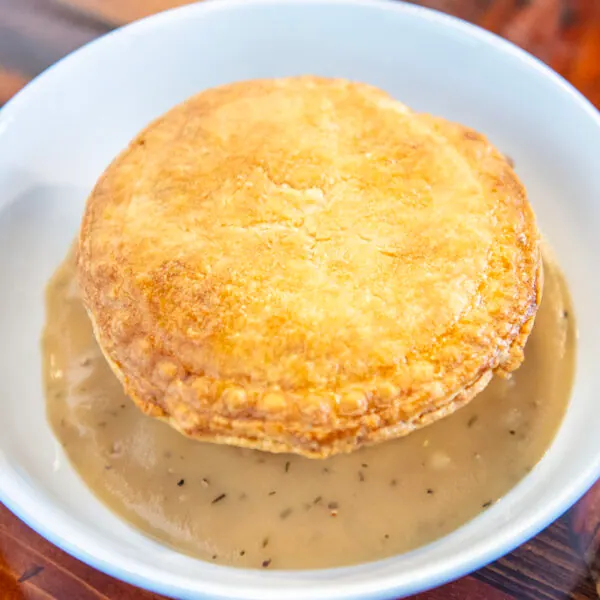
A great pie announces itself before the first bite. You hear it when the fork breaks through the top layer with a faint crackle. You see it in the edge, browned enough to promise flavor but not so dark that it tastes scorched. Then comes the part most bakers chase for years, the texture that manages to be crisp, tender, and sturdy at once. When people talk about memorable pie, they often start with the filling, but anyone who has spent time around a rolling pin knows the truth. The crust carries the whole argument.
That is why a place like Pie Cafe Colorado Springs becomes more than a stop for dessert or lunch. It becomes a standard. In a city with a growing appreciation for independent food businesses, pie shops have to do more than trade on nostalgia. They have to execute. They have to turn flour, fat, water, salt, and judgment into something that feels effortless, even though it never is.
The art of the perfect crust lives in that gap between simplicity and difficulty. The ingredient list is short. The margin for error is even shorter.
What people really mean when they say a crust is perfect
Most customers do not describe pie crust with technical vocabulary. They say it tastes homemade, or flaky, or buttery, or not too heavy. Those phrases matter because they point to a set of qualities that experienced bakers learn to balance rather than maximize.
A crust can be flaky but dry. It can be tender but pale and weak. It can be rich but greasy. The ideal version usually sits in the middle of several competing goals. It should shatter a little at the edge, hold together under filling, and leave enough salt and toastiness on the palate to keep each bite from becoming sweet monotony. That last detail gets overlooked. Especially in fruit pies, the crust acts as contrast. Without it, every slice would collapse into jammy softness.
At a cafe level, consistency matters as much as excellence. One beautiful pie can happen on a good day. A pie case full of reliable crusts, morning after morning, means somebody understands both craft and process. That is where the conversation gets interesting, because pie is famously sensitive to weather, handling, and timing. Colorado Springs adds another variable to that equation: altitude.
Colorado Springs is not a neutral place to bake
Anyone baking seriously in Colorado knows the environment is not passive. Dry air pulls moisture from dough more quickly than bakers from sea level often expect. Water behaves differently at elevation. Oven performance, evaporation, and resting times all need attention. A crust formula that works in a humid coastal kitchen can turn frustratingly brittle here.
That makes pie cafe colorado springs an especially useful phrase for people searching with expectations. They are not just looking for pie. They are looking for pie that works in this climate, made by people who understand what local baking demands.
A crust in Colorado Springs often benefits from slightly more hydration than a baker might use elsewhere, but adding water is not a simple fix. Too much, and the dough toughens. Too little, and it cracks before it ever reaches the pan. Experienced bakers adjust by feel, not by rigid obedience to a recipe card. They notice whether the dough comes together in pebbly clumps or smears under pressure. They watch how quickly butter softens on the bench. They rest dough long enough for flour to hydrate but not so long that production slows to a crawl.
That kind of judgment is hard to fake. You taste it when a crust has the right structure in a high-country kitchen.
The ingredient list is short, the decisions are not
People like to romanticize pie because the ingredients sound humble. Flour, fat, salt, water. Sometimes sugar, sometimes vinegar, sometimes an egg wash. But each choice changes the final result in visible ways.
Flour is the first big decision. Lower-protein flour tends to produce a more tender crust, but many bakers blend flours or choose an all-purpose option that gives enough strength for handling. In a busy shop, dough has to survive rolling, lining pans, filling, and baking without turning fragile and frustrating. A crust that is too delicate might impress in theory and fail in practice.
Fat is where personality enters. Butter delivers unmatched flavor, especially once it browns slightly in the oven and perfumes the whole pie. Shortening offers tenderness and stability. Lard, when used well, creates remarkable flake and a savory depth that suits certain pies beautifully. Many professional bakers combine fats because one ingredient rarely does everything. Butter alone can be wonderful, but it also melts quickly in a warm kitchen. A blended fat system gives bakers more control.
Salt deserves more respect than it gets. In sweet pies, a properly salted crust makes fruit taste brighter and caramel notes taste deeper. Without enough salt, even an attractive crust can read flat. Sugar plays a more modest role in most doughs, but it can support browning and add a subtle snap.
Then there is water, the ingredient that seems least interesting and causes the most trouble. Ice water is less about making dough cold in some abstract sense and more about buying time. Cold dough preserves distinct pieces of fat. Distinct pieces of fat create steam pockets in the oven. Steam pockets create flake. The sequence sounds simple when written out, but it depends on speed, restraint, and a room that is not working against you.
Technique is where crust stops being theory
I have seen talented cooks struggle with pie because they treat dough like bread. Bread rewards development. Pie punishes it. Once flour meets water, gluten begins to form, and gluten is not the villain, but too much of it turns crust into something closer to a cracker or, worse, a tough shell.
The best pie makers handle dough with a kind of economical calm. They mix just until the dough can hold together. They leave visible pieces of fat. They resist the urge to smooth everything out. They understand that roughness in raw dough often becomes beauty in the oven.
Resting the dough is not optional if the goal is quality. That pause lets moisture distribute more evenly and lets the gluten relax. Skip it, and the dough fights the rolling pin, shrinks in the pan, and bakes up dense. In a commercial setting, resting also helps organize production. Dough mixed one day can be easier to roll the next, assuming it is wrapped well and stored correctly.
Rolling itself takes more feel than most tutorials admit. Too much flour on the bench toughens the dough and leaves dry streaks. Too little flour risks sticking and tearing. Press too hard, and layers collapse. Work too slowly, and butter warms. A good baker develops small habits that keep things under control, quarter turns with the pin, quick lifts to check sticking, minimal patching, and a steady eye on thickness from center to edge.
This is where the phrase “perfect crust” starts to feel less like poetry and more like workmanship.
Blind baking separates careful shops from careless ones
Not every pie needs a fully blind-baked shell, but many benefit from some version of pre-baking, especially custard pies and certain https://pastelink.net/a65a6m50 cream pies. The goal is not formality. It is texture. Wet fillings and underbaked bottoms ruin otherwise good pie.
A proper blind bake asks for weights, enough heat to set the shape, and enough patience to let the bottom color instead of merely drying out. Many home bakers stop too early because the crust looks done at the rim. Professionals know the bottom tells the truth. If the base stays pale, it will soften once the filling lands.
In a shop environment, this matters even more because pie often sits for service. A crust that starts crisp but degrades within an hour is not really crisp. Good pie cafes build for that reality. They think about carryover heat, cooling racks, air flow, and how fillings will settle. They are not just baking a pie. They are baking a pie that has to look and taste right when someone orders a slice later in the day.
That practical mindset often distinguishes a beloved neighborhood pie shop from a place that feels charming but inconsistent.
Fruit filling gets the spotlight, but the crust sets the stage
Consider apple pie, the benchmark by which many people judge a pie shop. Customers talk about the apple variety, cinnamon level, sweetness, and whether the filling holds together or runs. All fair points. Yet if the bottom crust turns soggy, the entire slice feels compromised. If the top crust lacks color or crunch, the filling tastes one-dimensional no matter how good the fruit is.
Berry pies are even less forgiving. Blueberry, cherry, and mixed berry fillings carry more moisture and can swing from luscious to soupy with small changes in thickener or fruit ripeness. The crust has to manage that moisture without becoming gummy. That means a solid seal, a well-baked base, and often a measured amount of venting on top so steam can escape without drying the filling.
Peach pie presents a different challenge. It tends to be soft and fragrant rather than sharply structured. Here, a crust with strong flavor is especially important because it gives the slice shape and contrast. The best versions taste like summer fruit framed by toast and butter, not fruit spooned into a bland container.
Savory pies ask even more from the crust. Chicken pot pie, hand pies, quiches, and meat pies need enough integrity to handle richer fillings and, often, longer hold times. A crust that excels with strawberries may not be ideal for a savory application. Good cafes know when to use one dough across the board and when to tailor formulas.
The edge tells you almost everything
If I want to judge a pie quickly, I look at the crimp or edge first. It sounds fussy, but the edge reveals discipline. A well-shaped edge suggests the dough stayed cold enough to hold its structure. Even browning suggests the oven was managed thoughtfully. An edge that looks heavy and thick can signal fear, too much re-rolling, or a bakery trying to prevent leakage with bulk instead of finesse.
There is also an eating quality to the edge that regular pie lovers recognize immediately. The best edges are not decorative waste. They are often the most flavorful bite in the slice, where caramelization and concentrated butter flavor come together. I have seen people leave thick, underbaked borders on their plate and then rave about the filling. That is a missed opportunity from the kitchen.
A truly polished pie cafe treats the edge as part of the experience, not a visual afterthought.
Why consistency is so hard in a real cafe kitchen
Making one pie on a quiet afternoon is pleasant. Making dozens across changing temperatures, shifting staff schedules, and different fillings is a production problem. That is where respect for professional pie shops comes from. The challenges are cumulative.
Butter arrives a little warmer than expected. Flour absorbs more or less moisture depending on storage conditions. A new baker rolls slightly thinner than the usual standard. One oven deck runs hotter on the left side. A tray cools too close to the dishwasher station. None of those issues sound dramatic on their own. Together, they can change the crust people taste.
Shops that maintain quality usually do a few unglamorous things very well. They standardize dough weight. They mark resting times. They train bakers on texture, not just timing. They rotate pies carefully in the oven. They slice only after proper cooling when the style of pie demands it. Most important, they pay attention when the weather changes.
Colorado bakers often become good troubleshooters because they have to. Dry winter air, summer storms, and altitude all push dough in different directions. The solution is rarely dramatic. More often, it is a two-percent adjustment, a little extra rest, a little less water, a cooler station, a quicker bench time. Small corrections are the signature of experienced hands.
What customers notice, even when they cannot explain it
People may not use the language of lamination, protein percentage, or hydration, but they know when a pie feels right. They notice when the fork glides through instead of dragging. They notice when crumbs stay crisp on the plate. They notice when the final bite tastes as good as the first.
They also notice the opposite. A crust that shatters into dry dust suggests imbalance. A shell that turns leathery after refrigeration points to overworked dough or underbaking. A bottom crust that looks blond and pasty usually tastes that way too. Customers might simply say, “The filling was good, but the pie wasn’t my favorite.” More often than not, crust is the reason.
That is why the best pie cafes build loyalty through texture as much as flavor. People return because they trust the whole slice.
A few traits that separate good crust from memorable crust
For all the romance around pie, the standards are concrete. When I evaluate crust seriously, I keep coming back to a handful of qualities:
- It flakes in layers rather than crumbling into chalky bits.
- It tastes seasoned, not merely neutral.
- It holds filling without turning tough or soggy.
- It browns evenly and smells toasted, not oily.
- It remains pleasant to eat on its own, especially at the edge.
Those five points sound simple, but getting all of them in one crust is difficult. Many pies achieve two or three. The memorable ones hit nearly all five.
Pie culture in Colorado Springs has matured
Colorado Springs has long supported bakeries, cafes, and locally loved lunch spots, but the broader appetite for specialized, craft-driven food has deepened in recent years. Customers ask better questions now. They care about seasonal fruit, scratch baking, and whether a place is producing food on-site or simply finishing it. That shift raises the bar for any pie-focused business.
A cafe centered on pie has an unusual advantage and responsibility. Pie can serve many roles at once. It can be breakfast with coffee, a quick lunch with a savory slice, an afternoon comfort food, or a dessert worth planning around. Because the format is familiar, diners arrive with emotional expectations. They want warmth, nostalgia, and generosity. But because good local food scenes train palates over time, they also want technical quality.
That balance between comfort and precision is where pie shops thrive or stall. A charming room and friendly service may bring people in once. Crust brings them back.
The smartest bakers know where perfection ends
There is a point where chasing an idealized crust can become counterproductive. If a baker prioritizes extreme flake above all else, the crust may shatter and separate awkwardly when sliced. If they pursue maximum tenderness, the shell may fail under a juicy filling. If they enrich the dough heavily for flavor, it may brown too fast or feel heavy.
Professional judgment means knowing the purpose of the pie. A rustic galette can tolerate irregularity and even benefit from it. A cream pie shell needs clean lines and reliable crispness. A double-crust apple pie should slice neatly but still feel generous and natural. The perfect crust is not one fixed object. It is the right crust for the pie in front of you.
That perspective keeps the craft grounded. It moves the conversation away from gimmicks and toward skill.
Why the best pie shops feel personal
Pie is one of the few bakery categories where technique and memory are tightly linked. People compare every slice to a grandmother’s holiday pie, a diner pie from childhood, or a bakery they discovered while traveling. That can be unfair to professionals, but it also creates opportunity. A truly good pie does not have to mimic anyone’s past. It only needs to feel honest, competent, and delicious enough to make a new memory.
When a place earns a reputation around pie in a city like Colorado Springs, it is usually because it does those things well and repeatedly. The crust tastes considered. The fillings taste seasonal or carefully balanced. The slices look handmade in the best sense, with no need for flashy reinvention.
For anyone searching pie cafe colorado springs, that is the real promise worth hoping for. Not novelty for its own sake. Not oversized portions hiding mediocre baking. Just a slice that proves somebody in the kitchen understands one of pastry’s hardest truths: simple food is often the least forgiving.
A perfect crust does not need a speech. It needs a cool hand, a hot oven, good ingredients, and the discipline to stop working the dough before the dough starts fighting back. When those elements come together, the result feels both humble and rare. That is the art. And in any serious pie cafe, it is the part of the craft that deserves the most respect.
3.14 Pi Bar
5152 Centennial Blvd
Colorado Springs, CO 80919
(719) 314-6172
FAQ About pie cafe colorado springs
Does 3.14 Pi Bar serve sweet and savory pies?
Yes. The café serves savory pot pies and seasonal sweet pies made from scratch. Flavors can vary.
Can I order a whole pie to take home?
Yes. The café sells whole sweet pies to take home. Check the current menu for flavors and ordering options.
Does 3.14 Pi Bar offer take-and-bake pies?
Yes. The café offers prepared pies that you can bake at home. Check the current menu for available varieties.