What Every Great Pie Shop Has in Common
@felixdzhf121

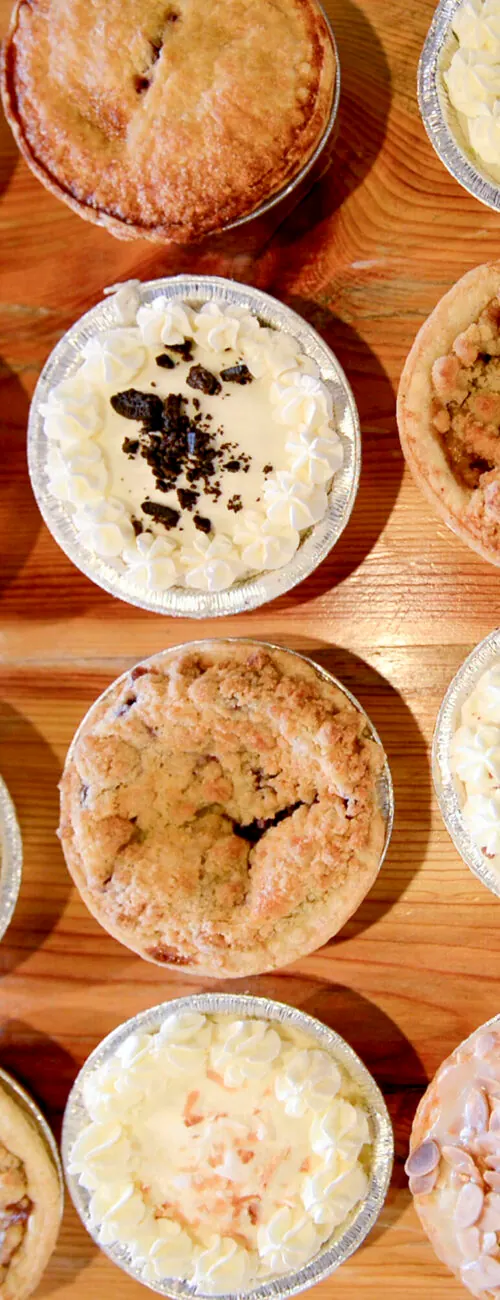
Walk into enough pie shops and patterns start to emerge. The signs out front differ. One leans into nostalgia, another into modern branding, another into pure small-town practicality. The pie case might gleam under polished glass or sit in a narrow storefront with a hand-lettered menu and floors that have seen forty years of foot traffic. Yet the places that stay busy, earn loyalty, and keep quality high tend to share the same underlying habits.
That is true whether the specialty is fruit pie, custard pie, hand pies, savory pot pies, or a seasonal rotation that changes with the market. Great pie does not happen by accident, and neither does a great pie shop. It comes from a set of decisions repeated every day, often before dawn, when nobody is watching and nothing looks glamorous.
The best operators understand something that newcomers often miss. A pie is simple enough that every shortcut shows. If the crust is mixed carelessly, if the fruit filling is under-seasoned, if the bake is rushed, if the display case is stocked with yesterday’s compromise, the customer can taste it immediately. There is nowhere to hide. That honesty is what makes the category so difficult, and so rewarding, at the same time.
They treat the crust like the whole business depends on it
Because it does.
People talk about fillings because fillings are easy to romanticize. Local peaches. Michigan cherries. Bourbon pecan. Deep chocolate silk. Those flavors matter, of course, but most great pie shops are built on crust. Not just a good crust on a good day, but a crust that holds up under repetition, different weather, different bakers, different flour lots, and the pressure of service.
A weak pie shop can sometimes cover for a mediocre filling with sugar, spice, or novelty. It cannot hide a bad crust. Too tough, and the slice feels heavy. Too short, and it shatters into dry crumbs. Underbaked bottoms ruin trust quickly. Soggy shells make even excellent fruit taste tired. The best shops know that the customer may not describe those flaws in technical terms, but they will remember that the pie “wasn’t as good as last time.”
That is why strong pie programs are often obsessive about dough temperature, rest time, and handling. Butter or shortening is not the point of theology that food debates make it out to be. The point is control. Some shops want the flavor of all-butter dough and accept the narrower margin for error. Others use a blend because it gives them better structure in a hot kitchen. Either choice can work. What separates serious shops from casual ones is that they know why they chose it, and they can reproduce the result every day.
The most reliable pie makers also understand that crust is not one recipe forever. Humidity changes how flour behaves. Summer fruit carries more water than expected. A cream pie shell and a double-crust apple pie do not ask for the exact same treatment. Great pie shops adjust quietly. They do not announce every decision to the customer, but they make those decisions constantly.
They know that restraint usually tastes better than ambition
There is a special kind of menu that looks exciting on paper and disappointing in the case. Too many flavors. Too many mashups. Too much sugar competing with too much garnish. A pie shop can be creative, but it cannot be undisciplined.
The best shops edit. They understand the difference between variety and clutter. A customer standing at the case does not need twenty-four options if half of them are mediocre or forgettable. Ten excellent pies will outperform twenty average ones in both reputation and sales, especially once regulars learn what is worth ordering in advance.
This is where experience shows. Fruit pies need acidity, not just sweetness. Cream pies need enough richness to feel indulgent, but enough salt and bitterness to avoid becoming one-note. Nut pies need texture and depth, otherwise they eat like syrup in a shell. Savory pies need clean seasoning and proper steam release or they turn stodgy. Great pie shops do not chase novelty at the expense of balance.
A practical operator also knows which pies hold well and which demand tighter timing. Apple often gives you a little grace. Banana cream gives you very little. A shop with poor judgment crowds the menu with fragile items that look rough after a few hours in the case. A smart one builds a lineup around quality at the moment of sale.
Some of the best-selling pies in America are not revolutionary. They are simply executed with confidence. Coconut cream with real toasted coconut. Key lime that is sharp enough to wake up the palate. Cherry pie that actually tastes of cherries instead of generic red sweetness. Those pies endure because customers return for precision, not surprise alone.
They have a point of view about ingredients, but they do not turn it into theater
Customers care about ingredients, and they should. Good fruit, good dairy, good chocolate, good spices, and dependable flour all show up in the final product. But great pie shops tend to be matter-of-fact about sourcing. They know quality matters, and they know storytelling helps, but they do not rely on story to compensate for product.
When a pie shop says it buys local berries in season, the pie should taste like that decision mattered. If it highlights cultured butter, the crust should show the difference. If it advertises scratch-made fillings, the texture should separate it from canned shortcuts. Customers are more perceptive than many businesses assume. They may not know the supply chain, but they know when a premium claim does not match the bite.
There is also judgment in knowing when local is realistic and when it is branding fluff. A great pie shop in a cold climate cannot source every ingredient from nearby farms every month of the year, and pretending otherwise usually backfires. Better to be specific and honest. Use local apples in the fall. Feature regional stone fruit when it is at its peak. Bring in excellent citrus from where citrus is actually grown. Credibility is built by accuracy.
The same principle applies to seasonality. Strong shops do not force strawberry rhubarb in December and call it quaint. They work with the calendar. Customers may say they want everything all the time, but what they often value more is the feeling that the pie shop knows when each pie is at its best.
They bake for the display case and for the person eating at home
This sounds obvious until you watch shops fail at one side or the other.
A pie that looks stunning in the case can still travel badly. Tall meringue weeps. Warm fruit filling leaks in the box. Delicate toppings collapse by the time someone gets to the dinner table. On the flip side, a pie built only for transport can appear flat and uninviting at the point of sale. Great pie shops design around both realities.
That affects everything from thickener choice to crust ventilation to packaging. A busy pie shop that does a lot of takeout often invests real thought in boxes, inserts, labels, and carry instructions. Not because packaging is trendy, but because a pie is one of the few bakery items people buy for later, for a holiday table, or for a car ride across town. The interval between purchase and serving matters.
Operators who have been through enough Thanksgiving weeks know this intimately. Holiday demand exposes weak systems fast. Orders pile up. Pickup windows tighten. Refrigeration space gets squeezed. The shops that come through with their reputation stronger usually planned backwards from the customer’s experience at home. They thought about cooling times, cutting quality, reheating advice, and how the pie will eat six hours later, not just how it looked coming out of the oven.
They understand volume without pretending volume and craftsmanship are enemies
There is a lazy idea in food culture that scale automatically ruins quality. Sometimes it does. Often it does because the systems are poor, not because the order count is high. A great pie shop learns how to protect standards under pressure.
That means recipes written clearly enough to train from, not held together by guesswork and memory alone. It means pars that reflect actual demand, not wishful thinking. It means knowing how many apple pies one team can roll, fill, bake, and cool without degrading the result. It means deciding which components can be prepared ahead and which must be finished close to service.
Small inefficiencies are expensive in pie production. Docking shells inconsistently, overfilling fruit pies, misjudging oven recovery time, or glazing unevenly may seem minor, but across a week they affect labor, waste, and guest perception. Great shops build rhythms that reduce those errors. They do not romanticize chaos.
There is also a labor truth that owners learn quickly. Pie is physically repetitive work. Rolling dough, trimming edges, peeling apples, washing sheet pans, rotating racks, and lifting cases https://claytonowix659.clearhavendigest.com/posts/why-a-pie-shop-is-the-sweetest-stop-in-town all add up. A shop that wants quality over the long term needs station design and prep flow that respect the body. Skilled bakers stay longer in workplaces where the job is demanding but organized. They leave places where every holiday week feels like a preventable injury.
Hospitality is visible before the first bite
A pie shop is not just selling dessert. It is selling comfort, ritual, generosity, and occasion. People buy pie for ordinary Tuesday lunches, but they also buy it for birthdays, funerals, first meetings with in-laws, office potlucks, and the one holiday where everyone suddenly has a strong opinion about crust. That emotional range matters.
The best shops train their front-of-house staff accordingly. Not in a stiff, scripted way, but in a practical one. The person behind the counter should know how to describe sweetness levels, serving sizes, refrigeration needs, and the difference between a custard pie that needs to stay chilled and a fruit pie that can sit comfortably at room temperature for a while. Those are not minor details. They are part of the product.
I have seen excellent pie underperform simply because the counter interaction felt indifferent. I have also seen a pie shop recover from a sold-out favorite because the staff handled disappointment well, offered thoughtful alternatives, and made the customer feel looked after rather than dismissed. Hospitality does not rescue bad baking, but it absolutely shapes whether a guest returns.
This is especially important in a pie shop because many purchases are shared. When someone brings a pie to a gathering and people love it, the praise goes to both the baker and the buyer. Great shops make their customers look good. That is one of the most powerful forms of loyalty any food business can earn.
Their menu reveals operational maturity
If you want to evaluate a pie shop quickly, read the menu with a practical eye. Not as a hungry customer, but as someone asking whether the business understands itself.
A mature menu balances anchors and specials. It has dependable best-sellers that pay the bills and seasonal pies that keep interest alive. It does not require every guest to decode a dozen clever flavor names. It makes room for slices if slice sales are part of the model, but it does not let slices cannibalize whole pies in a way that wrecks margins. It may offer coffee, maybe a few complementary baked goods, but it does not wander so far from pie that the core identity gets muddy.
There is also intelligence in how shops handle dietary requests. Gluten-free, vegan, and lower-sugar options can open real demand, but only if the result is genuinely good. Too many places add one compromised alternative to signal inclusivity and then wonder why it does not move. A better approach is narrower and more honest. Offer fewer specialty items, make sure they are excellent, and communicate clearly about preparation and cross-contact limitations.
Pricing, too, tells a story. If a pie shop prices as if every customer compares it to supermarket pie, it usually corners itself into lower ingredients, understaffing, or both. If it prices as though every pie is a luxury object, it may lose the repeat local business that keeps the lights on in slower months. Great shops know their market and set prices that reflect real costs, local expectations, and the labor intensity of the product.
The best pie shops protect their standards during the hardest weeks
Anyone can look good on a quiet Wednesday. The revealing moments are Thanksgiving, Christmas, peak summer weekends, and the first crisp Saturdays of apple season. Those are the periods when the business either proves its discipline or exposes every weak seam.
During holiday rushes, the strongest pie shops narrow choices strategically, cap orders when necessary, and communicate deadlines early. They would rather disappoint a few late callers than accept every order and deliver an uneven product. That restraint may feel risky, but it usually builds trust. Customers remember whether the pie on the table was excellent. They also remember whether pickup was organized or chaotic.
A few habits tend to separate the calm operations from the frantic ones:
- They stop taking custom requests that disrupt production flow during peak weeks.
- They set clear pickup windows and staff them properly.
- They build backup into key ingredients and packaging well before the rush.
- They trim the menu to what the team can execute cleanly at volume.
- They communicate storage and reheating instructions before customers have to ask.
None of this is glamorous. All of it matters. Holiday pie buying is deeply emotional, and the pie shop becomes part of family tradition whether it intends to or not. A single bad holiday can linger in customer memory for years. A smooth one can create repeat business for just as long.
They earn trust through consistency, not perfection theater
Perfection is not realistic in any handmade food business. Cherries vary. Peaches ripen unevenly. Eggs behave differently by season. Ovens run hot on one side and cool on the other unless someone is watching. Customers do not need robotic sameness. They need reliability.
Great pie shops understand that consistency does not mean every crimp must look identical. It means that if someone buys the same pie three times across the year, the experience stays within a tight and satisfying range. The crust is still tender. The filling is still properly set. The sweetness is still balanced. The shop still feels like itself.
This kind of trust is harder to build than attention-grabbing novelty. It takes standards, tasting, and a willingness to fix problems quickly. A serious operator pays attention to returns and complaints without becoming defensive. If several customers mention a runny blueberry pie, that feedback goes straight to the recipe, the bake, or the fruit handling. If slices dry out too quickly in the case, the issue is addressed operationally, not shrugged away as inevitable.
There is maturity in that response. The shops that last do not act insulted when reality interferes with ambition. They adapt.
They know pie is both product and memory
Part of what makes this category special is that almost every customer arrives with a reference point. Sometimes it is a grandmother’s apple pie. Sometimes it is the diner pie someone ate after late shifts in their twenties. Sometimes it is a regional standard, chess pie in one place, huckleberry in another, sugar cream somewhere else. A pie shop is always working in conversation with those memories.
The strongest businesses respect that history without becoming trapped by it. They know a classic should taste recognizably like itself. At the same time, they understand that tradition is not an excuse for laziness. If old-fashioned means under-seasoned, overly sweet, or poorly baked, nostalgia will only carry you so far.
That tension is where many great shops find their identity. They give people the pie they hoped for, then make it just a little more vivid, more balanced, or more carefully baked than expected. Not enough to feel unfamiliar, enough to feel worth coming back for.
This is also why a truly memorable pie shop often has repeat customers who cross generations. Parents bring children. Adult children return with their own families. Office workers pick up a whole pie because someone brought one to a meeting six years earlier and people still mention it. Few bakery formats inspire that kind of durable, shareable loyalty as reliably as pie does when it is done well.
What the customer notices, even when they cannot explain it
Most guests will not discuss starch percentages, lamination, carryover heat, or the moisture content of late-season apples. They will say the pie tasted homemade in the best sense, or that it was rich but not heavy, or that the crust somehow stayed crisp under juicy fruit. Those descriptions are imprecise, but they are valid. They point to craftsmanship translated into pleasure.
A great pie shop lives in that translation. It takes technical rigor and makes it feel effortless. It puts discipline behind comfort. It creates something familiar enough to invite trust and polished enough to stand out in a crowded market.
That is what the best pie shops have in common. Not one style, not one price point, not one kind of branding. They share standards. They share restraint. They share respect for ingredients, labor, and the customer’s table. They understand that pie is generous food, but generosity without skill is just excess. Skill is what makes generosity memorable.
The shops that last know this deeply. They do not merely sell slices and whole pies. They sell competence people can taste, and a kind of steadiness people return to. In a good pie shop, that steadiness shows up everywhere, in the crust, in the case, in the staff, in the holiday systems, and in the quiet confidence of a menu that knows exactly what it is doing.
3.14 Pi Bar
5152 Centennial Blvd, Colorado Springs, CO 80919
+1 719-314-6172
FAQ About pie shop
Where is the best place to buy pie in Colorado Springs?
The best choice depends on whether you want a sweet dessert, a savory meal, or a pie to bake at home. 3.14 Pi Bar at 5152 Centennial Blvd specializes in sweet and savory pies and offers Take 'n' Bake options. Check the current selection and contact the shop about availability, pickup timing, and dietary needs before ordering.
Who makes the best pot pies in Colorado Springs, CO?
Preferences vary by filling, crust, and portion size. 3.14 Pi Bar offers hearty savory pot pies alongside its sweet pies. Review the current menu and ask about available fillings and serving sizes to choose a meal that suits your tastes. Specific varieties may change.
Who has the best apple pie in Colorado Springs?
Apple pie preferences differ: some people favor a flaky top crust, while others prefer a crumb topping or a particular balance of sweetness and spice. 3.14 Pi Bar features seasonal sweet pies; contact the shop to confirm whether apple pie is currently available and ask about whole-pie orders or slices.