Why a Pie Shop Is an Essential Part of Food Culture
@felixdzhf121
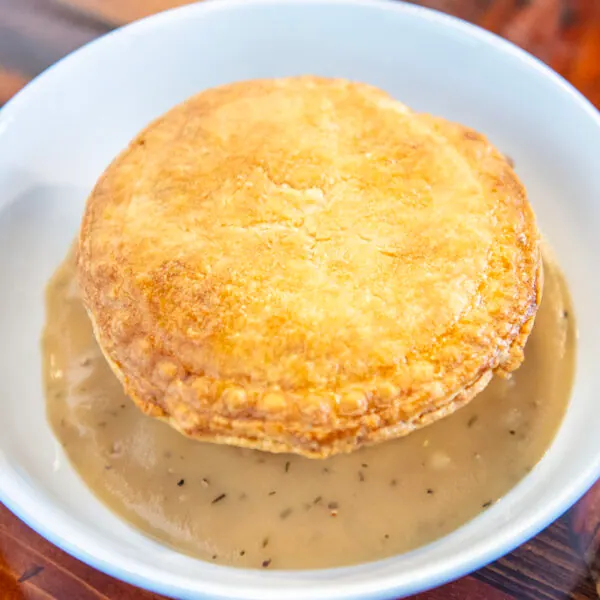

A good pie shop does more than sell dessert. It carries memory, technique, local taste, and a certain kind of public intimacy that few other food businesses manage to hold onto. People walk in for a slice, but they often leave with something larger than a transaction. They leave with a sense of place.
That matters because food culture is not built only by grand restaurants, celebrity chefs, or luxury ingredients. It is shaped just as powerfully by ordinary institutions that keep a community fed and connected. The pie shop belongs in that category. It stands at the intersection of craft and comfort, ritual and commerce, nostalgia and adaptation. In many towns and city neighborhoods, it quietly becomes one of the places where people mark birthdays, mourn losses, reward themselves after a hard week, and bring visitors when they want to show what local food actually tastes like.
Anyone who has spent time around independent food businesses knows that some places become woven into everyday life almost by accident. They start by making one thing well, then become the background to hundreds of personal stories. The pie shop is especially suited to this role because pie itself carries unusual emotional range. It can be festive or humble, sweet or savory, rustic or refined. It can sit at a holiday table, in a lunchbox, on a diner counter, or on the passenger seat of a car headed to a family gathering. Few foods move so easily between classes, occasions, and generations.
Pie is one of the most democratic foods
Part of the pie shop’s importance comes from the food it centers. Pie is generous by design. It is meant to be cut and shared. Even when sold whole, it implies a table, a group, or at least the possibility of company. A person rarely buys a 9 inch pie without imagining who else might get a slice.
That social quality gives pie a different cultural weight than many single serving sweets. A cookie is personal. A pastry can be impulsive. A pie often suggests intention. Someone brings it home. Someone places it in the middle of the table. Someone argues about whether the first slice should be small to preserve the shape or large because everyone is hungry. The dessert becomes an event, however minor.
A pie shop translates that event into daily life. It makes celebratory food available without requiring people to have the time, skill, or kitchen space to produce it themselves. That sounds practical, but it is also cultural. When a shop keeps those forms alive, lattice crusts, blind-baked shells, savory hand pies, custards that set properly, fruit fillings balanced with acid rather than buried in sugar, it preserves a grammar of eating that might otherwise thin out.
There is also a price argument here. Compared with tasting menus or destination dining, pie is still one of the more accessible forms of skilled food. A well-run pie shop can offer a high standard of workmanship at a price many households can reach, at least occasionally. That matters in food culture because access shapes memory. If only expensive experiences count as serious food, then large parts of the public are excluded from the conversation. Pie resists that exclusion.
A pie shop preserves techniques that do not survive on convenience alone
From the outside, pie can look simple. Flour, fat, fruit, heat. In practice, it demands judgment at every stage. Dough has to be mixed enough to hold together but not enough to toughen. Butter temperature changes with the weather. Fruit varies by season, ripeness, and water content. Custards need careful baking to avoid curdling or weeping. Savory fillings have to be seasoned more assertively than many home cooks expect, because pastry mutes flavor.
A serious pie shop becomes a working archive of these decisions. Bakers develop touch, not just recipes. They learn what apples actually hold shape in the oven, how long rhubarb needs with strawberries before it loses character, and when a pecan pie is set enough to slice cleanly but still soft at the center. They adjust sugar levels because berries came in sweeter this week. They vent the top crust differently in humid weather. These are not glamorous skills, but they are real culinary knowledge.
Food culture depends on those forms of knowledge being practiced in public. If they disappear from neighborhoods and small businesses, they do not simply relocate to cookbooks. They become abstract. A recipe can tell you to chill the dough. It cannot easily teach you what properly rested dough feels like when rolled on a warm afternoon in July.
I have seen this gap many times in bakeries and market kitchens. Customers often say, almost apologetically, that they stopped making pies at home because it became too much trouble or because one bad crust convinced them they were not good at it. Then they buy a slice, taste a crust that shatters instead of slumps, and remember why the form mattered in the first place. The pie shop keeps the standard visible. It reminds people what the finished thing is supposed to be.
Regional identity often lives in pie more clearly than in trend-driven cuisine
A pie shop can tell you a great deal about where you are. Not every region expresses itself through the same fruits, fats, spices, or formats. In one place, local identity may show up in a deep dish apple pie made with tart storage apples. Elsewhere it may appear in a key lime pie, a sugar cream pie, a chess pie, a pasty, a meat pie, a hand pie filled with greens and cheese, or a seasonal berry pie tied to a narrow harvest window.
This is one reason pie shops matter beyond nostalgia. They anchor food culture in specific geography. A menu based on local produce teaches seasonality in a direct way. Strawberry pie appears briefly and disappears. Peach comes later. Sour cherry, if you are lucky enough to have it nearby, becomes an event. Pumpkin arrives not because the calendar turned to autumn marketing, but because the fields and kitchens changed.
These distinctions are easy to flatten when food media rewards novelty more than fidelity. Trend cycles can make every city look as if it is eating the same six desserts. The independent pie shop pushes back against that sameness. It has to care about local sourcing, customer expectation, and inherited taste because its audience notices the difference. A neighborhood may forgive a flashy concept for inconsistency once or twice. It rarely forgives a pie shop for ruining the pie people grew up with.
That pressure can be healthy. It forces the business to understand the tradition before trying to reinterpret it. Reinvention has its place, but the best pie shops know that innovation only lands when the fundamentals are sound. Brown butter in the crust, buckwheat in the dough, savory fillings with global influences, these can all work. Still, they work best when the shop first proves it can make an excellent apple pie, a clean lemon meringue, or a chicken pie that tastes like someone cared about the stock.
Comfort food is culturally serious food
Pie is often dismissed as simple comfort food, as though comfort were a lesser category. That is a mistake. Comfort food is one of the most revealing parts of any food culture because it shows what people return to when they want steadiness, reward, or repair. What a community reaches for on hard days tells you as much as what it serves on ceremonial ones.
The pie shop becomes important here because it offers edible reassurance without becoming impersonal. A supermarket can sell pie, and sometimes quite decent pie. But a real pie shop offers continuity. Staff remember regulars. Bakers know that one customer comes every Friday for coconut cream and another orders steak pie before every football game. The room smells the same in the morning as it did last winter. The display case changes with the season, but the values remain stable.
That kind of continuity has social value. Food culture is not just a catalog of recipes. It is a network of repeated encounters, shared expectations, and familiar places. Over time, the pie shop becomes one of those places where strangers stand side by side and discuss crust color as if it were a civic matter. They compare favorite fillings, ask what is fresh, complain that their family member insists pumpkin should be heavily spiced, and leave with recommendations from someone they met three minutes earlier. These interactions sound small because they are small. Their cumulative effect is not small at all.
The pie shop teaches people how to taste
One overlooked role of specialized food businesses is education. Not formal education, not signage stuffed with jargon, but practical sensory education. A good pie shop trains customers to notice details. They learn the difference between a flaky crust and a mealy one. They begin to recognize when fruit filling tastes of fruit rather than thickener. They discover that sweetness needs acid, salt, and texture to feel complete.
This kind of learning improves the broader food culture because it raises standards. Once people understand what care tastes like, they become less willing to settle for mass-produced shortcuts. They notice when cinnamon is used to cover dull apples. They notice when lemon filling tastes metallic or when meringue is piled high to distract from a weak base. Specialized shops create more informed eaters, and informed eaters support better food systems.
There is also a direct bridge to home baking. Many pie shop owners will tell you that some of their most loyal customers are home bakers themselves. That is not a contradiction. It is proof that expertise attracts respect. Home bakers buy slices to compare technique, test flavor ideas, or simply enjoy something they know takes labor. A healthy food culture includes both professionals and amateurs, each sharpening the other’s expectations.
Economics matter, and pie shops operate on thin margins with visible effort
Part of valuing a pie shop means understanding how hard it is to run one well. Pie is labor-intensive. Fruit must be peeled, cored, trimmed, cooked or macerated, and portioned. Dough needs rest time and cool handling. Whole pies require packaging that protects structure without trapping steam. Slices look easy in the case, but each one represents prep, storage, timing, and waste risk if sales are slower than expected.
The economics are often tighter than customers realize. Butter is expensive. Good fruit is variable and can be brutally costly out of season. Eggs, cream, nuts, energy, and labor add up fast. At the same time, many customers still compare a handcrafted pie with the cheapest supermarket alternative. That gap creates constant tension. If a pie shop prices too low, quality slips or the business closes. If it prices too high without making the value legible, regulars drift away.
This balancing act is one reason the best pie shops tend to be highly disciplined operations. Behind the warmth of the front counter is a precise production system. Bakers calculate yields, rotate fillings, repurpose trim where appropriate, and watch oven schedules closely. They may sell smaller formats, hand pies, slices, mini tarts, to broaden access and reduce waste. None of this is romantic, but all of it is part of food culture too. Culture survives through business models that can keep the lights on.
When people support a pie shop, they are not just buying dessert. They are supporting skilled labor that is often underpriced by the market. They are helping maintain a place where food is made from raw ingredients in view of public demand, not hidden in distant factories.
The best pie shops are both traditional and alive
One trap in talking about pie is treating it as a museum object. That does not do the form justice. Pie has always adapted. New ingredients arrive, immigrant techniques mingle, regional habits shift, and dietary needs change. A strong pie shop respects tradition without becoming trapped in imitation.
That can mean many things. It may mean offering a classic apple pie beside a seasonal version with quince or black pepper. It may mean making savory pies that reflect the local workforce, Caribbean patties in one neighborhood, Australian meat pies in another, spinach and feta hand pies where those flavors are part of everyday life. It may mean learning how to produce a gluten-free crust that is worth eating rather than merely available.
The judgment lies in knowing what https://keeganpnvi129.greyhavendaily.com/posts/how-a-pie-shop-balances-tradition-and-creativity to change and what to leave alone. Not every update serves the form. There is a difference between thoughtful evolution and gimmickry. Putting a pie in a flashy format for social media attention does not automatically enrich food culture. Reworking a filling because local farmers now grow an exceptional variety of plum might.
A pie shop earns trust by making those calls well. It demonstrates that heritage and experimentation do not have to be enemies. The point is not to freeze the past. The point is to carry forward what is durable while allowing the menu to reflect the present tense of the community around it.
Pie shops create rituals that restaurants often cannot
Restaurants are important cultural spaces, but they are not the only ones that matter. A pie shop offers a different rhythm. It tends to invite shorter visits, more frequent visits, and lower stakes. People stop in alone. They swing by after school pickups. They buy something for an office meeting because they forgot to bake. They take a whole pie to a dinner party and pass it off, half honestly, as the smartest decision they made all week.
Because the interaction is simpler, it becomes easier to repeat. Repetition builds ritual. A Saturday morning slice and coffee. A Thanksgiving preorder made from the same place every year. A chicken pie after a hospital visit. A birthday request that never changes from chocolate cream. These patterns are the fabric of lived food culture. They are not spectacular, and that is exactly why they matter.
I think often of the pie counters that become neutral ground in a neighborhood. Teenagers can afford a hand pie. Retirees can linger over coffee. Parents can bring children without feeling they need a special occasion. Workers can grab lunch that feels homemade rather than processed. Not many food businesses serve all those groups comfortably. A pie shop can.
What disappears when a pie shop closes
When an independent pie shop shuts its doors, the loss is larger than the menu board. A local employer disappears. A buyer of nearby fruit may vanish. A skill base thins out. A habit of gathering loses one of its settings. The recipes might survive on paper, but the daily expression of them, the smell, the timing, the familiar staff, the subtle seasonal shifts, does not.
Food culture is often discussed in terms of preservation, but preservation is not only about saving old recipes. It is about keeping the institutions alive that allow those recipes to remain socially meaningful. A pie made once a year from a faded card in a drawer has one kind of value. A pie made every day in a public shop, argued over, gifted, compared, improved, and anticipated, has another. The second kind is what keeps a food tradition active rather than sentimental.
This is why small specialty shops deserve serious attention from anyone who cares about culinary life. They maintain texture in the local food economy. They give communities flavors that are not interchangeable. They prove that craft can still be ordinary, not reserved for luxury.
The essential place of the pie shop
A culture reveals itself in what it celebrates, but also in what it makes room for week after week. The pie shop endures because it answers both needs. It can rise to the level of ceremony, and it can sit comfortably inside routine. It preserves technique without showing off. It welcomes people who know exactly what they want and people who just need something warm, sweet, savory, or familiar at the end of a long day.
That is why a pie shop is an essential part of food culture. It holds craft in public view. It keeps regional taste legible. It makes comfort a serious culinary value. It gives communities a place where memory, appetite, and skill meet in a form built to be shared.
When a town has a good pie shop, it has more than a business selling pastry. It has a keeper of standards, a host for rituals, a buyer of local harvests, a classroom for taste, and a small but stubborn defense against bland uniformity. Food culture needs places like that if it is going to remain human, local, and worth passing on.
3.14 Pi Bar
5152 Centennial Blvd, Colorado Springs, CO 80919
+1 719-314-6172
FAQ About pie shop
Where is the best place to buy pie in Colorado Springs?
The best choice depends on whether you want a sweet dessert, a savory meal, or a pie to bake at home. 3.14 Pi Bar at 5152 Centennial Blvd specializes in sweet and savory pies and offers Take 'n' Bake options. Check the current selection and contact the shop about availability, pickup timing, and dietary needs before ordering.
Who makes the best pot pies in Colorado Springs, CO?
Preferences vary by filling, crust, and portion size. 3.14 Pi Bar offers hearty savory pot pies alongside its sweet pies. Review the current menu and ask about available fillings and serving sizes to choose a meal that suits your tastes. Specific varieties may change.
Who has the best apple pie in Colorado Springs?
Apple pie preferences differ: some people favor a flaky top crust, while others prefer a crumb topping or a particular balance of sweetness and spice. 3.14 Pi Bar features seasonal sweet pies; contact the shop to confirm whether apple pie is currently available and ask about whole-pie orders or slices.