Why Jamaican Food Is Loved Around the World
@felixdzhf121
Jamaican food has a way of staying with people. Sometimes it is the heat of a proper Scotch bonnet pepper that lingers long after the meal is over. Sometimes it is the smoke from jerk chicken cooked over pimento wood, or the mellow sweetness of fried ripe plantain next to a savory stew. Often, it is the balance that makes the deepest impression, the pull between fire and sweetness, crispness and tenderness, thrift and abundance, history and improvisation.
That staying power helps explain why Jamaican food travels so well. It does not ask to be admired from a distance. It reaches the table with confidence, bold aromas, and a sense of place. Even when someone cannot name every ingredient, they recognize the intention behind it. These are dishes built to comfort, satisfy, and wake up the palate all at once.
The global affection for Jamaican cuisine is not an accident of trend or novelty. It comes from a combination of flavor, memory, migration, and technique. Jamaican cooking expresses a whole cultural history in forms people immediately understand: grilled meat, rich stews, flaky pastries, hearty starches, deeply seasoned seafood, and breakfast foods that feel both local and universal. The details are distinctly Jamaican. The pleasure is shared almost everywhere.
Flavor that announces itself
Many cuisines are subtle. Jamaican food is not shy, and that directness is part of its appeal.
A well-made Jamaican dish usually starts with assertive seasoning. Thyme, scallion, garlic, ginger, allspice, onion, black pepper, and Scotch bonnet show up again and again, not as decoration but as structure. They create layers rather than a single burst of heat. People who have only tried oversimplified versions sometimes assume Jamaican food is mostly about spice. It is not. Heat matters, but the best Jamaican cooking is really about depth.
Take jerk, probably the best-known Jamaican preparation outside the island. At its best, jerk is complex and fragrant. The allspice brings warmth and sweetness, thyme adds an herbal edge, scallion and onion create body, and Scotch bonnet delivers fruit and fire. If the meat is cooked traditionally over pimento wood or charcoal, smoke becomes part of the flavor, not just a cooking method but an ingredient in its own right. That combination is hard to forget.
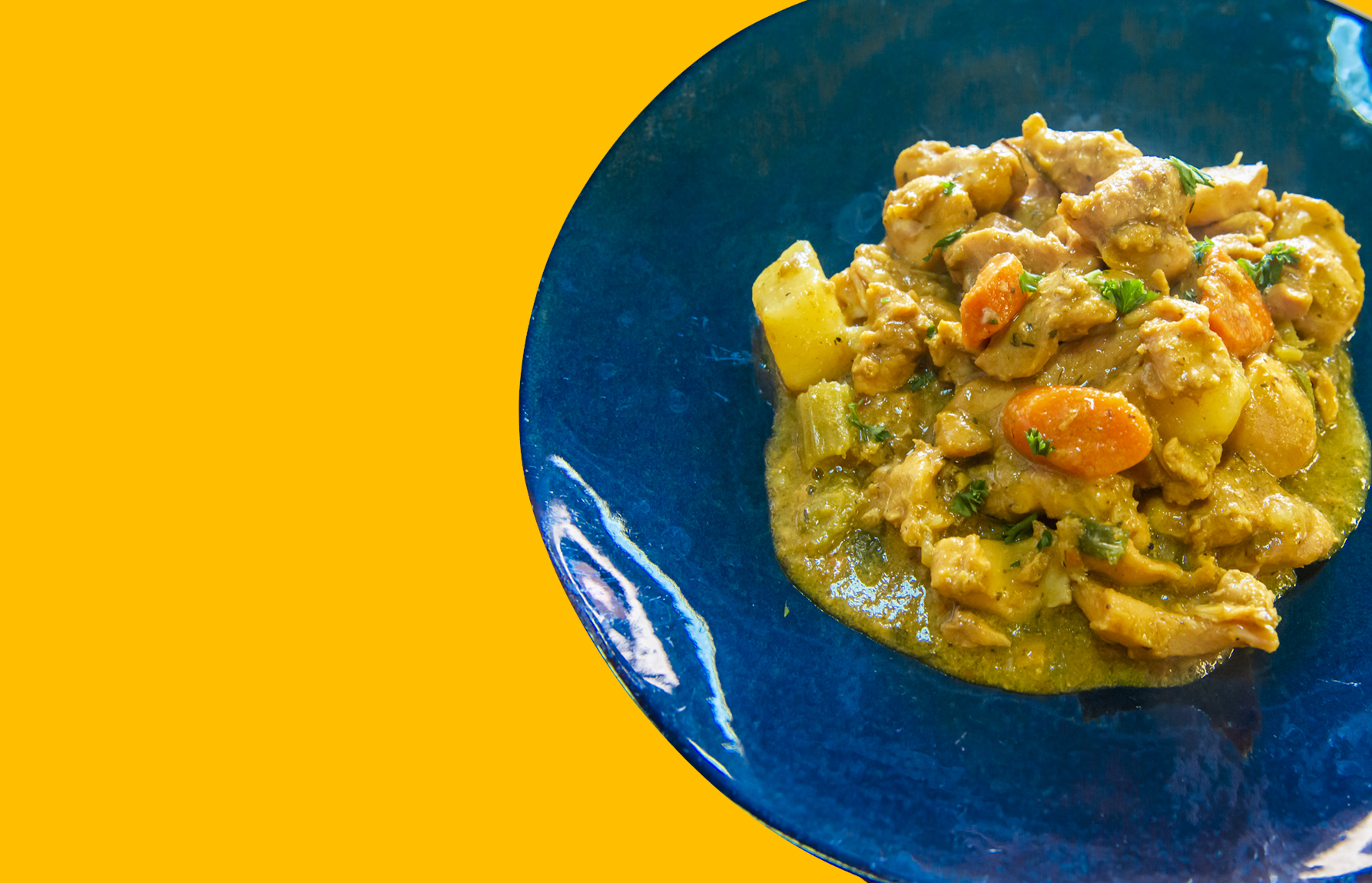
The same principle carries through dishes that are less internationally advertised. Brown stew chicken, for example, relies on browning, seasoning, and patient simmering to develop flavor that tastes settled and complete. Curry goat draws on Indian influence but becomes unmistakably Jamaican through spice balance, cooking style, and the use of local preferences for heat and savor. Even a simple plate of rice and peas alongside stewed meat can feel layered because the rice has been cooked with coconut milk, thyme, scallion, and often a Scotch bonnet pepper left whole to perfume the pot.
People return to Jamaican food because it rarely tastes flat. There is usually contrast in every bite. Acidity cuts richness. Heat lifts starch. Sweetness softens spice. Smoke deepens the whole thing. The food feels composed, even when served in a casual roadside setting.
A cuisine shaped by movement and resilience
One reason Jamaican food connects across borders is that it was shaped by many of them. The island’s cuisine reflects Indigenous, African, European, Indian, Chinese, and Middle Eastern influences, among others. That does not make it vague or mixed in a careless sense. Quite the opposite. Jamaican cooking absorbed outside elements and made them local through adaptation, necessity, and repetition over generations.
Ackee and saltfish is a perfect example of how history becomes a beloved national dish. Saltfish arrived through colonial trade networks because preserved cod could survive long transport. Ackee came from West Africa and took root in Jamaican soil. Together, cooked with onion, tomato, scallion, thyme, and pepper, they became something inseparable from Jamaica itself. The dish carries difficult historical echoes, including the realities of slavery and rationed food, yet on the plate it is vivid, celebratory, and unmistakably national.
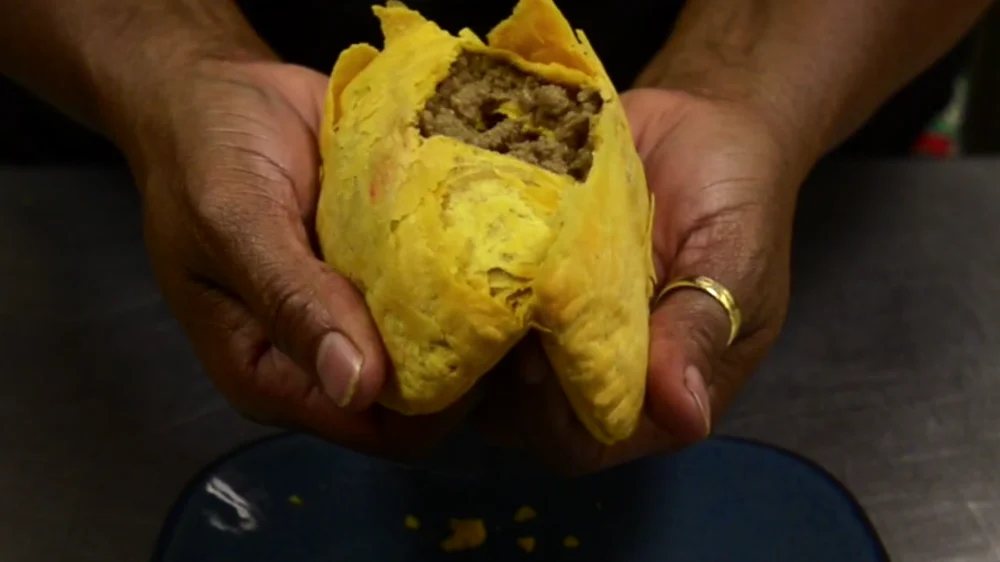
The same can be said for patties, which likely draw from several pastry traditions while becoming thoroughly Jamaican in form and flavor. The flaky turmeric-tinted crust, the savory filling, the portability, all of it makes sense in a country where food often needs to be affordable, filling, and quick to eat. Today the patty is sold in bakeries, school canteens, airport counters, and diaspora neighborhoods around the world. Few foods better illustrate how a local staple can become a global comfort food.
This history matters because diners often sense authenticity not as purity, but as coherence. Jamaican cuisine feels real because it tells the truth about where it comes from. It is not precious about influence. It is confident enough to transform influence into identity.
The genius of contrast on the plate
People who fall in love with Jamaican food often talk about a meal rather than a single dish. That is worth noticing. Jamaican cooking excels at building a plate where each component has a job.
A classic combination might include jerk chicken, rice and peas, steamed cabbage, and fried plantain. None of those elements is random. The jerk is spicy, smoky, and intensely seasoned. The rice and peas absorb sauce and calm the palate. The cabbage adds softness and a clean vegetal note. The plantain brings sweetness and caramelized edges. Together, they create rhythm. One bite resets the next.
That kind of balance is not unique to Jamaica, but Jamaica expresses it with particular force. The starches are substantial, the proteins are deeply seasoned, and the side dishes are practical and flavorful rather than ornamental. Festivals, those slightly sweet fried dumplings often served with fish or jerk, show the same instinct. They offer a gentle counterpoint to spicy or salty mains. Bammy, made from cassava, adds chew and earthiness, especially alongside escovitch fish with its sharp vinegar and vegetables.
This is one reason Jamaican food works so well in restaurants, takeout containers, beach shacks, and family kitchens. The meals are designed to satisfy fully. They are not one-note experiences. They have texture and internal conversation.
Street food energy and home cooking depth
Another strength of Jamaican cuisine is that it performs at every level of dining. Some foods are wonderful in formal settings but lose charm when served quickly. Others are great for snacking but do not hold up as complete meals. Jamaican food does both.
At street level, the food is magnetic. The smell of jerk smoke can pull people from half a block away. A hot patty eaten standing up on a busy street gives instant satisfaction. Roast corn, pepper shrimp, or a cup of soup from a local vendor can communicate as much about a place as any white-tablecloth meal. These foods are accessible, vivid, and social. They invite impulse.
At home, the cuisine slows down. Soups and stews become central. Red peas soup, chicken foot soup, mannish water, and fish tea all reveal another side of Jamaican cooking, one rooted in thrift, patience, and practical nourishment. Sunday dinners, holiday tables, and family gatherings often bring out dishes that take time and judgment: oxtail, curry goat, stew peas, baked macaroni and cheese done in a distinctly Caribbean way, and rice cooked just right, with grains that hold together without turning heavy.
That dual identity helps Jamaican food travel globally. A cuisine that can impress in a quick bite and still reward long cooking has many entry points. Someone may first encounter Jamaican food through jerk wings at a festival, then later seek out ackee and saltfish at a family-run restaurant, then eventually try making curry chicken at home. Each step feels natural.
Jerk became an ambassador, but it is only one chapter
It would be impossible to discuss the worldwide popularity of Jamaican food without acknowledging jerk. It is the dish that introduced many people to the cuisine. But reducing Jamaican food to jerk alone misses the larger story.
Jerk succeeded internationally because it checks several boxes at once. It is easy to understand in broad terms, seasoned meat cooked over fire, yet it tastes distinct enough to stand out. It suits restaurant service, takeaway, barbecues, and fusion menus. It also scales well. A street vendor can produce it in small batches, and a major restaurant group can adapt it for broader operations.
Still, the love for Jamaican food runs deeper than one style of cooking. Diners who start with jerk often stay for the range. They discover that Jamaican cuisine includes delicate fried fish, rich breakfast dishes, coconut-heavy sweets, peppery soups, braised meats, and vegetarian Ital cooking associated with Rastafarian traditions. They learn that one island cuisine can contain immense variety.
That widening of perspective matters. A cuisine becomes durable internationally when people stop treating it as a single iconic dish and start recognizing it as a complete culinary system. Jamaican food has clearly made that transition in many parts of the world.
The diaspora carried recipes, technique, and appetite
One of the biggest reasons Jamaican food is loved around the world is simple: Jamaicans brought it with them.
Migration spread Jamaican cuisine to cities across the United Kingdom, the United States, Canada, and beyond. In London, Toronto, New York, Miami, and many other urban centers, Jamaican bakeries, jerk shops, and family-run restaurants became anchors of neighborhood food culture. They served the diaspora first, but they rarely stayed insider-only for long. The aromas, colors, and generosity of the food drew in everyone else.
That pattern repeats often in food history. A community cooks for itself, then neighbors become regulars, then a dish crosses over into the wider market. Jamaican food was especially well positioned for that movement because it is both distinctive and welcoming. You do not need specialized knowledge to enjoy a patty or a plate of jerk chicken. Yet the more you learn, the more there is to appreciate.
Diaspora kitchens also preserved standards. They did not just spread the name of dishes, they carried habits of seasoning, marinating, browning, stewing, and serving. Anyone who has eaten in a serious Jamaican kitchen knows how much judgment is involved. The marinade has to penetrate. The gravy cannot be thin and lifeless. The rice has to be aromatic. Plantain needs the right stage of ripeness. Callaloo should remain vibrant, not cooked into surrender. These details matter, and diaspora cooks kept them alive even in places where ingredients were harder to source.
Over time, access improved. Scotch bonnet peppers, pimento, cassava, ackee in tins, and hard dough bread became easier to find in international markets. As ingredients traveled, so did confidence. More home cooks began trying Jamaican recipes, and more chefs outside the community began treating the cuisine with respect rather than caricature.
Comfort food with backbone
A lot of globally popular cuisines share one key trait: they feed people generously. Jamaican food does that exceptionally well.
There is emotional intelligence in these dishes. A plate of stew chicken with rice and peas, cabbage, and plantain feels complete in a way that many modern restaurant meals do not. It is satisfying without being dull. Oxtail, when cooked properly, gives tenderness, richness, and sauce that demands to be spooned over rice. Cornmeal porridge can be humble and deeply comforting at the same time. Breadfruit, whether roasted or fried, has the kind of grounding quality that makes a meal feel serious.
This matters in a global dining culture where many people want food that tastes handmade and substantial. Jamaican cuisine speaks fluently in that register. It offers comfort, but not bland comfort. It offers boldness, but not chaos. There is backbone in the seasoning, and there is care in the cooking.
Even the sweets often carry this sense of fullness. Rum cake, gizzada, toto, grater cake, and sweet potato pudding all have texture and identity. They do not feel engineered to be universally neutral. They feel specific, and that specificity is often what people cherish.
It rewards both first-time eaters and experienced cooks
Some foods impress instantly but become repetitive once the novelty wears off. Jamaican food tends to do the opposite. It gives immediate pleasure, then reveals more over time.
A first-time diner might focus on spice, smoke, and generous portions. An experienced cook notices technique. Browning sugar to start a stew requires attention, because pushed too far it turns bitter. Balancing Scotch bonnet is not just about heat, but fragrance and proportion. Rice and peas sounds simple until you try to get the texture right while keeping the coconut and thyme in harmony. Frying fish for escovitch means managing crisp skin, moist flesh, and the punchy vinegar topping without losing control of the dish.
This technical depth keeps chefs interested. It also explains why badly executed Jamaican food can disappoint so sharply. If the jerk seasoning tastes one-dimensional, if the curry lacks body, if the stew is watery, if the patty crust is heavy rather than flaky, the gap between the idea and the result becomes obvious. The best Jamaican cooking has precision beneath its rustic confidence.
That precision, when done well, earns loyalty. Diners can taste when a recipe has been handled by someone who understands timing, balance, and restraint.
The cuisine adapts without losing itself
Global popularity often tests a cuisine. Once dishes begin crossing borders, restaurants start adjusting heat levels, substituting ingredients, or streamlining preparation for speed and cost. Sometimes that broadens access. Sometimes it hollows out the original.
Jamaican food has faced that tension, especially in markets where jerk seasoning gets turned into a vague sweet-spicy glaze or where any grilled chicken with chili is labeled Caribbean. Yet the cuisine has held onto its identity remarkably well. Part of the reason is that its core flavors are strong enough to survive adaptation. Another part is that Jamaican communities have remained active custodians of the food’s standards.
There is room for flexibility. Not every cook has access to pimento wood. Not every customer can handle the same pepper level. Some modern chefs lighten traditional dishes or present them in new formats. Those changes can work when they respect the original logic of the food. Problems usually begin when adaptation removes the very contrasts that make Jamaican cooking special: smoke, spice, savor, sweetness, acidity, and depth.
The best international Jamaican restaurants understand this trade-off. They may adjust https://collinvswi986.meridiannest.com/posts/how-to-build-the-perfect-jamaican-food-plate presentation, portioning, or ingredient sourcing, but they keep the soul of the dish intact. That balance between adaptation and integrity is one of the reasons the cuisine continues to grow rather than burn out as a passing trend.
Why chefs respect it and diners crave it
Professional cooks often admire cuisines that make strong use of seasoning, technique, and ingredient economy. Jamaican food does all three. It can take less expensive cuts, preserved ingredients, root vegetables, beans, and pantry staples and turn them into food people crave intensely. That is real culinary intelligence.
Diners respond to the same intelligence, even if they describe it differently. They say the food tastes real. They say it has soul. They remember the smell before the first bite. They talk about sauce, smoke, flaky pastry, the sweetness of plantain, the warmth of allspice, the kick at the back of the throat from pepper done right. They come back hungry, but also curious.
This is where Jamaican food earns its worldwide love most fully. It is not only delicious, though it certainly is. It feels alive with context. A bowl of soup, a beachside fish lunch, a bakery patty, or a Sunday dinner plate can all carry the same message: this food knows where it comes from.
What the world responds to, again and again
When people across continents embrace Jamaican food, they are responding to several qualities at once. They may not name them in these terms, but they feel them clearly.
First, the cuisine is vivid. The flavors are direct, aromatic, and memorable. Second, it is generous. Portions, textures, and accompaniments are built for real appetite. Third, it is rooted in history without feeling trapped by it. Jamaican cooking honors inheritance while remaining dynamic. Fourth, it suits many occasions, from a quick lunch to a celebration meal. Finally, it creates loyalty. Once people find a Jamaican spot they trust, they tend to return often.
That last point is especially telling. Plenty of foods make a strong first impression. Fewer become part of a person’s regular cravings. Jamaican food does both. It can surprise you, and it can sustain you.
For all the conversations about global food trends, some cuisines endure because they answer a basic human desire better than others. People want food with character. They want dishes that carry memory, labor, and flavor in equal measure. They want meals that feel complete. Jamaican food delivers that with uncommon force, and that is why its reach keeps expanding. It is loved around the world because it gives people something unmistakable, a cuisine with bold flavor, deep roots, and the confidence to be fully itself.
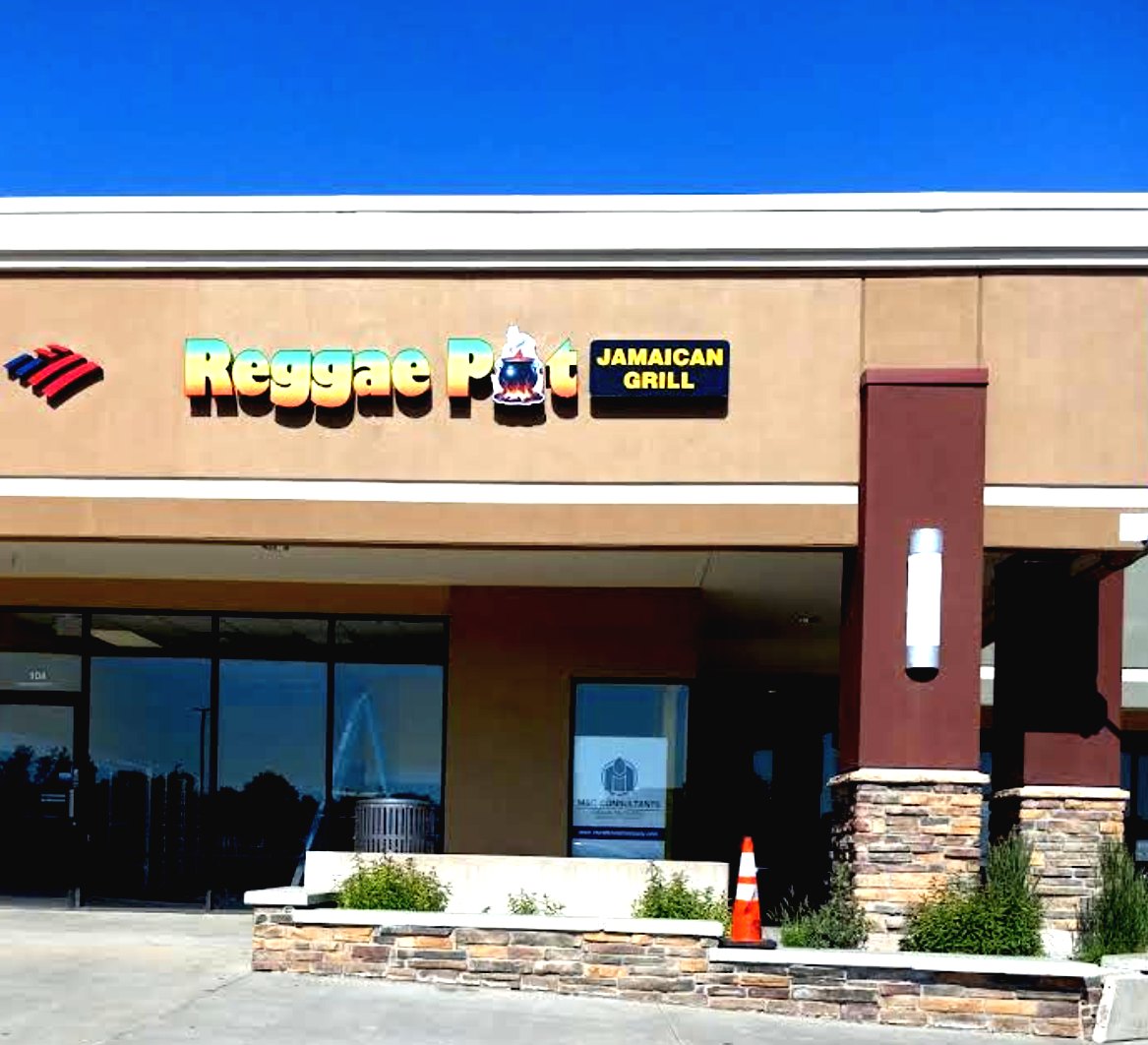
Reggae Pot Jamaican Grill
2243 S Monaco St Pkwy #104
Denver, CO 80222
+1 720-410-2956
FAQ About jamaican food
What is the best Jamaican food to try in Denver?
The best choice depends on your tastes. Popular options include jerk chicken, curry goat, slow-cooked oxtail, and savory patties. Reggae Pot lists these dishes on its menu, with sides such as rice and peas and plantains. Ask the Denver team about current availability and spice levels.
Is Jamaican food very spicy in Denver?
Heat varies by dish and preparation. Jerk seasoning often includes scotch bonnet peppers alongside herbs and allspice, while other dishes may have gentler seasoning. Ask about the heat of the specific dish and any sauce before ordering.
What are some popular Jamaican snacks?
Jamaican patties are a popular snack made with flaky pastry and savory meat or vegetable fillings. Other options include fried dumplings and festival, a sweet fried dough often served with savory dishes. Availability varies, so check the current menu when ordering.